Why Dubai is the New Silicon Valley of the Middle East
From government support to venture capital flow, here is why tech founders are flocking to Dubai.
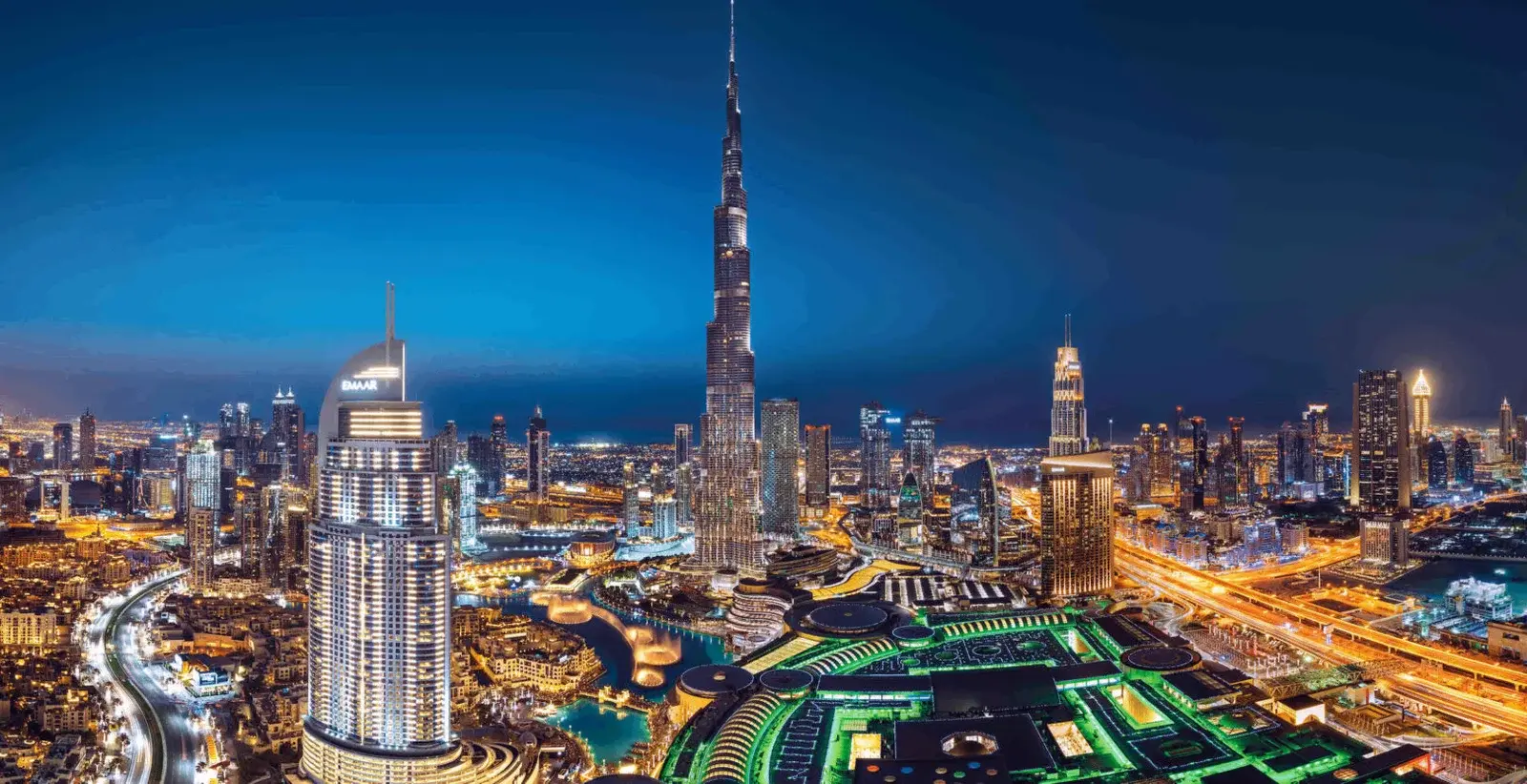
The comparisons are growing stronger every day. Dubai is increasingly positioning itself as the “Silicon Valley of the Middle East” — and in some ways, it is becoming something different and more global than the original.
For tech founders, especially in fintech, Web3, AI, and digital platforms, Dubai offers a rare mix of speed, capital, infrastructure, and lifestyle that is hard to replicate elsewhere. It is not just a place to live; it is a strategic base for building products for the Middle East, Africa, South Asia, and beyond.
1. Government Support and Clear Vision
One of the biggest drivers behind Dubai’s rise is how openly the government backs innovation. This isn’t just marketing language; it shows up in strategy, regulation, and real-world incentives.
- Dubai Economic Agenda (D33): A long-term plan to double the size of Dubai’s economy over the coming decade and position it among the top global cities for business, talent, and investment.
- Sector-specific initiatives: Programs focused on digital economy, fintech, AI, logistics, and smart city initiatives that make it easier for new solutions to plug into existing infrastructure.
- Streamlined processes: Compared with many other jurisdictions, the speed at which you can obtain licenses, visas, and approvals is often measured in days or weeks, not months.
For founders, this means you’re building in a place that is actively trying to attract and keep your kind of company, not tolerate it as an afterthought.
2. Access to Capital and a Growing VC Ecosystem
Dubai is at the centre of one of the most promising startup regions in the world. The MENA startup scene has seen record levels of venture capital in recent years, and Dubai consistently captures a large share of that funding.
Key advantages include:
- Regional and global VCs: A growing number of funds are either based in Dubai or maintain a strong on-the-ground presence to access founders and deals.
- Strategic investors: Corporate venture arms, family offices, and sovereign-linked investment vehicles that are comfortable backing early-stage tech and fintech plays.
- Access to capital from multiple geographies: Dubai’s position allows founders to speak to European, Asian, African, and GCC investors in one trip, often at the same events.
For founders, this means you are building in a place where capital is not just available, but increasingly competing to find the right deals.
3. Talent, Lifestyle, and Global Attractiveness
Unlike many “emerging hubs”, Dubai’s pitch to talent is not only professional but also deeply lifestyle-driven. For senior operators, engineers, and founders with families, this matters.
- Safety: One of the biggest perceptions — and realities — is personal and public safety. This makes it easier for families and senior professionals to commit to long-term relocation.
- Tax efficiency: For many founders and employees, the combination of personal income tax advantages and corporate structuring options is a major pull factor.
- Quality of life: International schools, healthcare, F&B, hospitality, and connectivity make it a place where people don’t just work, but actually want to live.
When you combine this with a fast-growing tech and startup community, you get something that feels closer to a global founder hub, rather than a purely local market.
4. A Deep “Starter Pack” of Digital and Industrial Sectors
One of the reasons “deep-tech” and B2B founders find the MENA region attractive is the nature of the problems being solved. In many Western markets, the low-hanging fruit has already been picked; in MENA, there is still enormous room for:
- Fintech and embedded finance
- Logistics and supply chain optimisation
- Proptech and real estate digitisation
- Web3, tokenisation, and digital assets
- SME enablement, e-commerce infra, and enterprise SaaS
Dubai acts as a distribution and coordination hub for these solutions across the wider region — including the GCC, North Africa, and parts of South and Central Asia.
5. Strategic Time Zone and Connectivity
From a purely operational point of view, Dubai’s time zone is a powerful advantage. It allows founders and teams to:
- Speak with Asia in the morning
- Overlap with Europe throughout the day
- Catch part of the US workday in the evening
This makes it much easier to run remote or hybrid teams, maintain distributed engineering and sales functions, and participate in global markets without constant jet lag.
Add to that one of the world’s best-connected airports, and Dubai becomes not just a place to live but a launchpad for global business travel.
6. From “Nice to Have” to Strategic Base
For many founders, Dubai starts as a “nice place for a conference” or a “good market to test later”. But the combination of:
- Government support and clarity of vision
- Capital and investor density
- Access to regional and global markets
- High quality of life and strong infrastructure
means that more teams are now treating Dubai as their primary base of operations, not just a satellite office.
What This Means for Founders
For tech founders, especially in fintech, Web3, AI, and B2B SaaS, Dubai offers a mix that is hard to find elsewhere: the speed of an emerging market with the infrastructure and stability of a developed one. It may not replace Silicon Valley for everyone, but for many, it is becoming the more practical and strategic choice.
Free: UAE 30-Day Launch Playbook
How to build a credible UAE presence in 30 days, from structure to launch.
- Week-by-week launch roadmap
- Free Zone vs Mainland comparison
- Banking credibility checklist
- Digital presence essentials
No spam. Unsubscribe anytime.
Ready to launch in the UAE with clarity?
We'll review your situation, recommend the right path, and outline next steps.